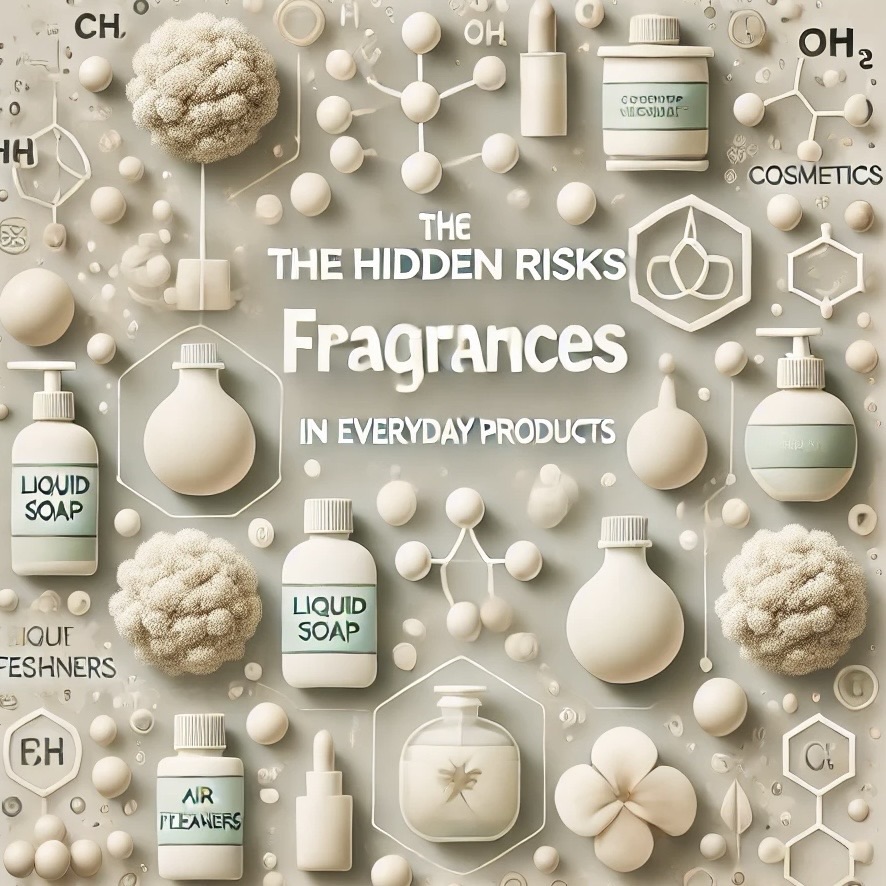
Fragrances are everywhere—from liquid soaps to cosmetics and even household cleaners. While they add a pleasant scent, many fragrances contain synthetic chemicals that can pose risks to your health and the environment. This guide explores the potential dangers of fragrances, how they affect your body, and actionable steps to minimize exposure through safer alternatives.
How Fragrances Interact With Your Body
Fragrances are complex blends of natural and synthetic chemicals designed to create specific scents. These chemicals have been linked to various health concerns, including allergic reactions, respiratory conditions, and early puberty.
While they may smell appealing, these compounds can enter your body and cause harm through various mechanisms:
1. Dermal Absorption
When applied to the skin, fragrance chemicals can penetrate the epidermis and reach the bloodstream. Research has linked common ingredients like geraniol, often found in liquid soaps, to skin irritation and allergic reactions.
2. Inhalation
Volatile Organic Compounds (VOCs) in fragrances are easily inhaled and absorbed through the lungs. Prolonged exposure to these airborne chemicals has been associated with respiratory irritation, asthma, and other long-term health issues.
3. Environmental Transfer
Fragrance compounds can persist in the environment, contaminating water, soil, and air. This creates indirect exposure risks and raises concerns about their ecological impact, as chemicals accumulate and may affect both human and environmental health.
Takeaway: Fragrances are absorbed into the body through the skin, lungs, and environmental exposure. Reducing your use of synthetic fragrances can help minimize these risks.
Common Products with Harmful Fragrances
Fragrances aren’t limited to perfumes—they’re hidden in a variety of everyday items, often labeled vaguely as “fragrance” or “parfum.”
Products to Watch Out For:
- Liquid Soaps: These can cause allergic dermatitis, as they often contain irritating preservatives and fragrances.
- Shampoos and Conditioners: Fragrance ingredients can cause scalp irritation and dandruff.
- Household Cleaners: Fragrances mask harsh chemicals but contribute to poor indoor air quality.
- Air Fresheners: A significant source of VOCs, often exacerbating respiratory issues.
- Cosmetics: Makeup, lotions, and perfumes often include synthetic chemicals linked to skin sensitization and allergic reactions.
Pro Tip: Choose products labeled “fragrance-free” rather than “unscented,” as unscented items may still contain masking agents.
Ingredients to Avoid in Fragrances
If you’re aiming to avoid harmful fragrance additives, here are specific terms and ingredients to watch out for on product labels:
- Generic Terms: “Fragrance,” “Parfum,” “Aroma,” or “Scent.”
- Phthalates: Commonly used to stabilize fragrance, linked to hormone disruption (e.g., Diethyl Phthalate).
- Synthetic Musk: Persistent environmental pollutants like Galaxolide and Tonalide.
- Fragrance Allergens: Linalool, Limonene, Citronellol, Geraniol, Hydroxycitronellal.
- Preservatives: Benzyl Salicylate, Methylisothiazolinone (MI), and Methylchloroisothiazolinone (MCI).
These ingredients are often concealed under the umbrella term “fragrance,” making it challenging to identify them without full ingredient transparency.
Safer Alternatives: Best Fragrance-Free Brands
Switching to fragrance-free products is an effective way to reduce exposure to harmful chemicals while supporting companies that prioritize transparency and safety.
Recommended Brands:
- Dr. Bronner’s: Organic, fair-trade soaps free of synthetic additives.
- Vanicream: Dermatologist-recommended skincare for sensitive skin.
- Eucerin: Ideal for individuals with eczema or allergies.
- Seventh Generation: Eco-friendly household cleaners with no artificial fragrances.
These brands provide safe, effective alternatives while aligning with eco-conscious values.
How to Take Control of Your Fragrance Exposure
Reducing your exposure to synthetic fragrances doesn’t have to be overwhelming. Small, intentional changes can make a big difference for your health and the environment. Here’s how to get started:
- Switch to Fragrance-Free Products: Opt for trusted brands like Dr. Bronner’s or Vanicream that offer transparency in their ingredient lists.
- Read Labels Carefully: Look for clear ingredient lists and avoid generic terms like “fragrance” or “parfum.”
- Minimize Indoor Air Pollution: Use fragrance-free or low-VOC air fresheners and cleaners to improve air quality.
- Avoid Aerosolized Products: Limit the use of sprays and aerosolized air fresheners, which release VOCs into the air.
- Support Advocacy Efforts: Encourage stricter regulations requiring companies to disclose all fragrance ingredients. Greater transparency empowers consumers to make safer choices.
By implementing these steps, you can reduce your exposure to harmful chemicals and create a healthier environment for you and your family.
References
- Srinivasulu, M., et al. (2022). Personal Care Products—fragrances, cosmetics, and sunscreens—in the environment. Environmental Micropollutants, 131–149. https://doi.org/10.1016/b978-0-323-90555-8.00015-5
- Pastor-Nieto, M. A., & Gatica-Ortega, M. E. (2021). Ubiquity, Hazardous Effects, and Risk Assessment of Fragrances in Consumer Products. Current Treatment Options in Allergy, 8(1), 21–41. https://doi.org/10.1007/s40521-020-00275-7
- Panico, A., et al. (2019). Skin safety and health prevention: an overview of chemicals in cosmetic products. Journal of Preventive Medicine and Hygiene, 60(1), E50–E57. https://doi.org/10.15167/2421-4248/jpmh2019.60.1.1080
- Al-Mussallam, A. S., et al. (2024). Quantitative risk assessments of skin sensitization for 26 allergens in different consumer products in the Saudi market. Regulatory Toxicology and Pharmacology, 153, 105714. https://doi.org/10.1016/j.yrtph.2024.105714
- U.S. Department of Health and Human Services. (2024, October 1). Certain chemicals may trigger early puberty in girls. National Institutes of Health. https://www.nih.gov/news-events/nih-research-matters/certain-chemicals-may-trigger-early-puberty-girls
